Nitrogen Dioxide (NO₂)
| – Respiratory irritation: Coughing, wheezing, shortness of breath. |
| – Asthma exacerbation: Triggers asthma attacks. |
| – Respiratory infections: Increased risk of bronchitis, pneumonia. |
| – Cardiovascular disease: Heart attacks, strokes, hypertension. |
| – Cognitive decline: Reduced cognitive function in children and adults. |
Most vulnerable groups: children, elderly, asthma patients
Ozone (O₃)
| – Respiratory irritation: Coughing, wheezing, shortness of breath. |
| – Asthma exacerbation: Triggers asthma attacks. |
| – Respiratory infections: Increased risk of bronchitis, pneumonia. |
| – Cardiovascular disease: Heart attacks, strokes, hypertension. |
| – Cognitive decline: Reduced cognitive function in children and adults. |
Most vulnerable groups: children, elderly, asthma patients
Aerosols (PM₂.₅/PM₁₀)
| – Respiratory mortality: Strongly linked to lung cancer, COPD, and respiratory infections. |
| – Cardiovascular mortality: Heart attacks, strokes, hypertension, and atherosclerosis. |
| – Neurological effects: Linked to dementia, Alzheimer’s, and cognitive decline. |
| – Pregnancy complications: Low birth weight, preterm birth. |
| – Metabolic effects: Increased risk of type 2 diabetes. |
Most vulnerable groups: children, elderly, cardiovascular/respiratory patients, Pregnant women, fetuses, obese, diabetic patients
Summary – health effects of atmospheric pollutants
- 🫁 Increased respiratory mortality: 0.09% rise per 10 μg/m³ 24-hour O₃ exposure.
- 🫁 Lung function decline: Long-term exposure accelerates FEV₁/FVC reduction over 20 years.
- 🫁 Asthma & COPD exacerbation: Triggers wheezing, coughing, and chronic respiratory disease worsening.
- ❤️ Cardiovascular disease: Linked to heart attacks, strokes, and hypertension.
- 🧠 Neuroinflammation & cognitive decline: May contribute to Alzheimer’s, Parkinson’s, and memory loss.
- 👶 Vulnerable groups: Children (impaired lung growth) and elderly (worsened COPD/heart disease) at highest risk.
- 🌍 ~4 million deaths/year globally attributed to NO₂ exposure (as part of PM2.5 and ozone mixtures).
Sources:
Frontiers in Public Health (2026), The Lancet (2023), MDPI Atmosphere (2025), American Lung Association (2026), ScienceDirect (2025),
MDPI IJERPH (2025), Nature Communications (2024), WHO (2021), EEA (2023), The Lancet Planetary Health (2021), The Lancet (2019),
NEJM (2017), The Lancet (2020), The Lancet Diabetes & Endocrinology (2016)
Sample Image
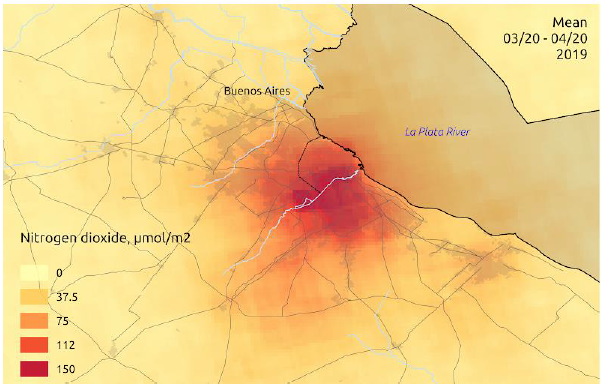
Data Sources

earth obseration satellite
Tropospheric Monitoring Instrument

satellite operator